

Newcastle and Liverpool South by-elections live
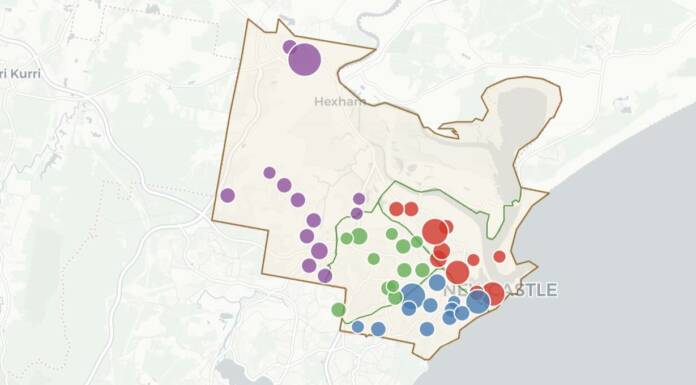
9:40 - Two of the six pre-poll booths have reported in Newcastle, and Gavin Morris is now on more than 51%.
9:38 - Labor's lead in Liverpool South has fallen back a bit, now leading 37-22, with almost 5000 postal votes counted. Every election day...
How South Australia may have played out under proportional representation
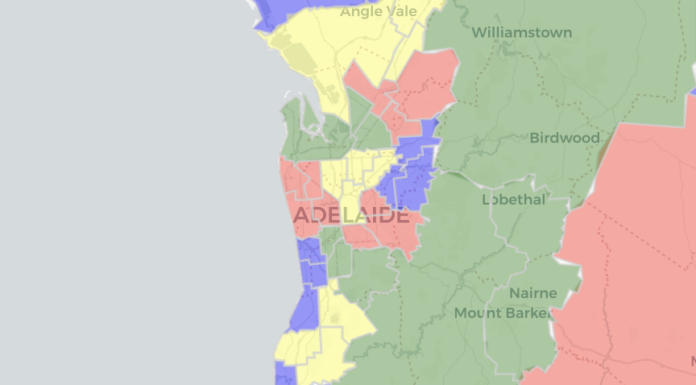
Readers will be aware that I have long advocated for proportional representation methods to be used when electing Australia's parliaments, and I have extensively laid out the issues with the use of single-member electorates.
The recent South Australian election was off the charts for disproportionality,...
By-election coming up for Stafford
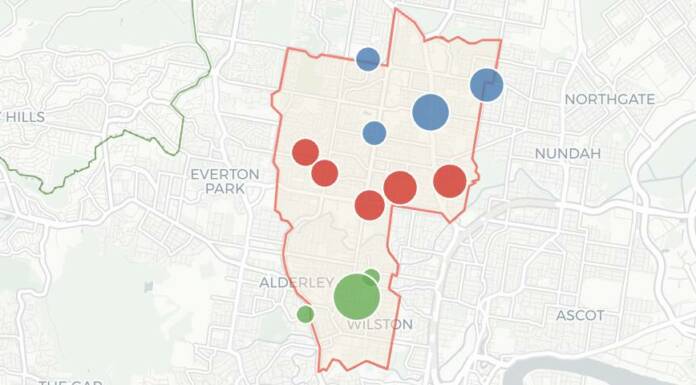
There will be a by-election soon for the Queensland state seat of Stafford, sadly triggered by the recent death of independent MP Jimmy Sullivan.
Sullivan was elected twice as a Labor MP in 2020 and 2024, but was expelled from the party in May 2025...
AEC releases report into informal voting
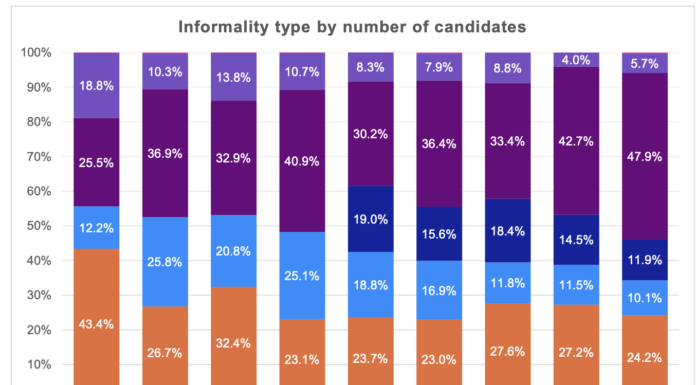
Late on the Friday afternoon, the Australian Electoral Commission has released a long-promised report into informal voting at the 2025 federal election.
The typical process of counting ballot papers at the election doesn't usually distinguish different types of informal votes. A vote could be informal...
Measuring marginality beyond the pendulum
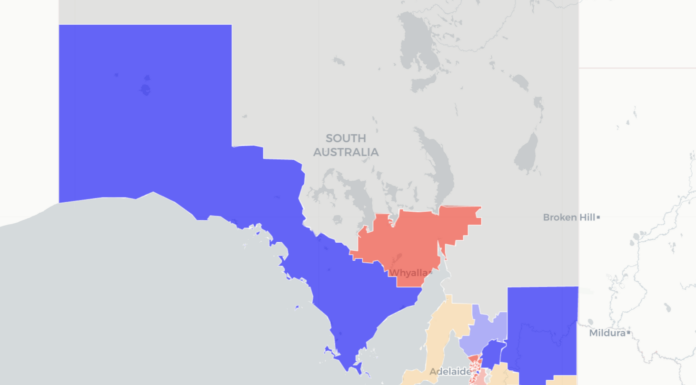
When Australian elections were dominated by two major parties, Labor and the Coalition, the pendulum evolved as a simple tool to lay out the relative marginality of each seat. But things are more complicated now - politics is no longer just about Labor and...
How preferences flowed in South Australia
We have almost reached the end of the House of Assembly count for the recent South Australian state election. We know the winner in all 47 seats. In 46 seats, we have a full distribution of preferences. The only exception is in Narungga, where...
Landslide – new book about the 2025 federal election

Over the last ten years I've had the privilege of writing a chapter for the series of academic edited volumes analysing each federal election, each time focusing on the House of Representatives results. This year's edition is called Landslide, and it is out now.
This is...
The shape of the vote in South Australia
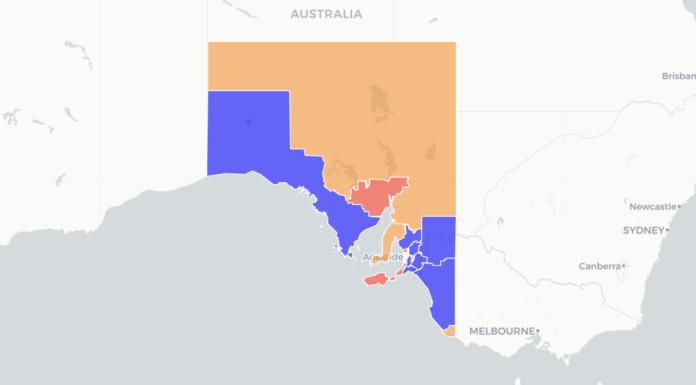
We now have results for most seats in the South Australian lower house, with the final distributions of preferences due this week. We also know the broad strokes of what happened - Labor polled less than 40% of the vote, yet managed to win...
South Australian upper house count update
The South Australian Legislative Council has a certain simplicity that means it hasn't been the focus of much analysis.
With just eleven members elected by proportional representation on a statewide vote, most seats were decided quickly just based on primary votes, leaving 1-2 seats in...
SA federal redistribution live
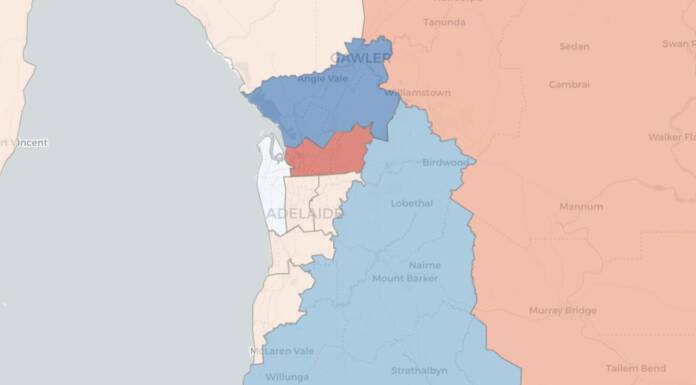
11:43 - That's it for today. All done within an hour. It's worth noting that if the federal parliament is expanded, this redistribution process will be abandoned and will need to start over. So hopefully the federal government will make a final decision on...